Sign up for our Blog to remove the guesswork from your marketing strategy. Learn to test, remove, or fix right from your inbox.

**FOR IMMEDIATE RELEASE** eSkill and KEO Marketing Win Prestigious Netty Award for Best SEO Optimization Phoenix, AZ, April 10, 2024 – We are proud to announce that KEO Marketing, representing eSkill Corporation, has been honored with the prestigious Netty Award for Best SEO Optimization. This recognition is a testament to… Read More

[Phoenix, AZ] – June 27, 2023 – KEO Marketing Inc, an award-winning B2B marketing agency, is proud to be recognized as a Certified LGBT Business Enterprise by the National LGBT Chamber of Commerce. NGLCC Certification is the gold standard for LGBT-owned businesses in the United States. “We are honored to… Read More

Dallas, TX, April 7, 2023 – TAP Innovations, LLC, a minority-owned business certified by Texas SBA® and leading provider of cloud-based integration solutions across people and data enterprises, has selected Sheila Kloefkorn and KEO Marketing, Inc as their fractional CMO and outsourced marketing team to complement their in-house marketing and… Read More
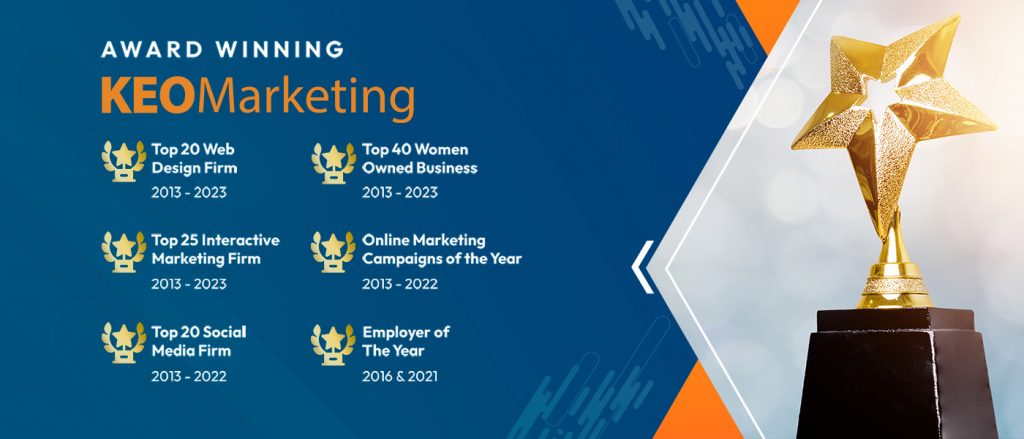
KEO Marketing Inc, an award-winning B2B marketing agency is proud to announce national certification as a Women’s Business Enterprise by WBENC – West. PHOENIX, AZ, USA, March 19, 2023 /EINPresswire.com/ — KEO Marketing Inc, an award-winning B2B marketing agency is proud to announce national certification as a Women’s Business Enterprise by the… Read More
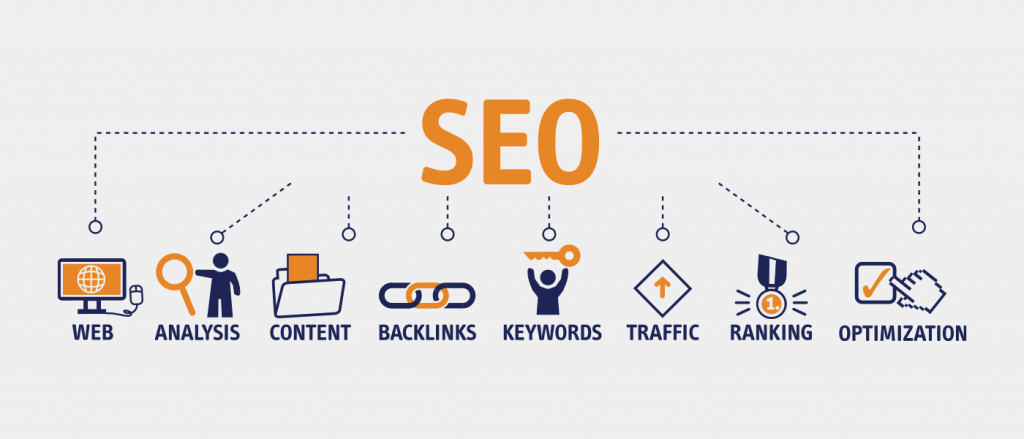
Google runs hundreds of thousands of quality tests and makes thousands of tweaks to its algorithm every year – some big and some small. This one’s big. Google’s Helpful Content Update The Helpful Content Update has now launched and it is designed to upgrade the user search experience by prioritizing… Read More
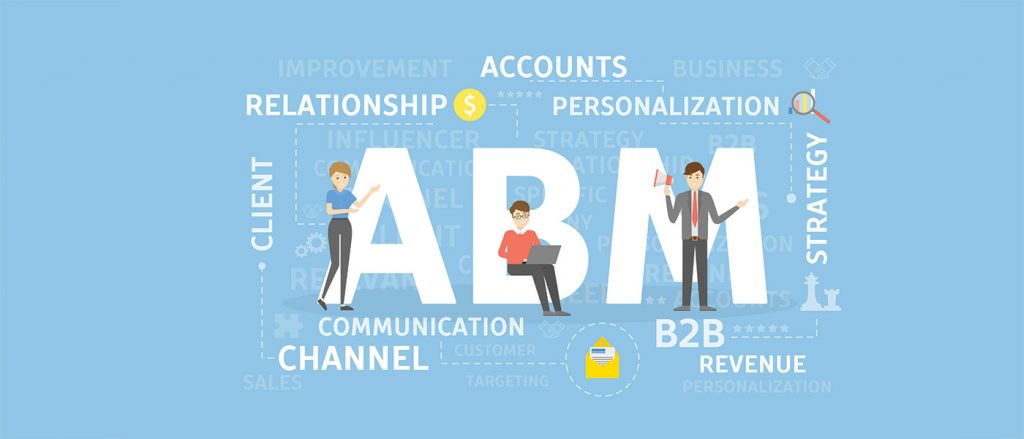
Imagine a football stadium filled to capacity. Somewhere in those 100,000 people, there are 20 people that fit the profile of your ideal customer. You know that if you could get in front of that select group and engage with them, you could probably close a fair number of deals.… Read More

Many people think email marketing is dead and has been displaced by “modern” tactics such as text messaging, social media videos, and podcasts. However, they are “dead” wrong because email is still a dominant marketing channel for B2B Marketing. According to Forbes, email marketing delivers a $42 return on investment… Read More

In 2020, companies learned that they needed to be able to pivot from traditional marketing to digital at a moment’s notice. And as a result of the COVID-19 pandemic, companies moved traditional marketing and event budgets online. This meant they had a lot to learn since they had to master… Read More

The marketing world has changed during the past decade, and this is particularly true for last year. A record number of companies moved their traditional advertising and event budgets online due to the COVID-19 pandemic, and digital advertising costs increased significantly as a result. Business leaders want to take their… Read More

The world changed in many ways last year, and marketing best practices are no exception. A record number of companies moved their traditional advertising and event budgets online due to the COVID-19 pandemic, and digital advertising costs increased significantly as a result. Business leaders want to take their companies to… Read More